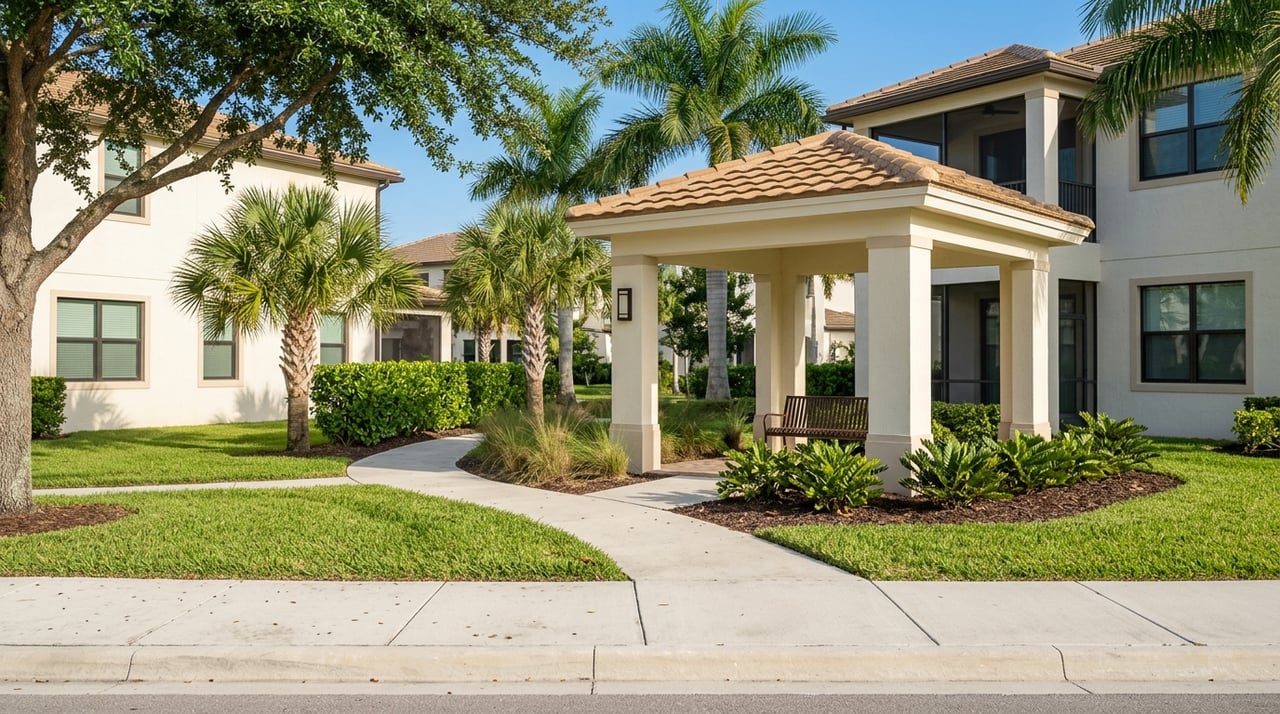
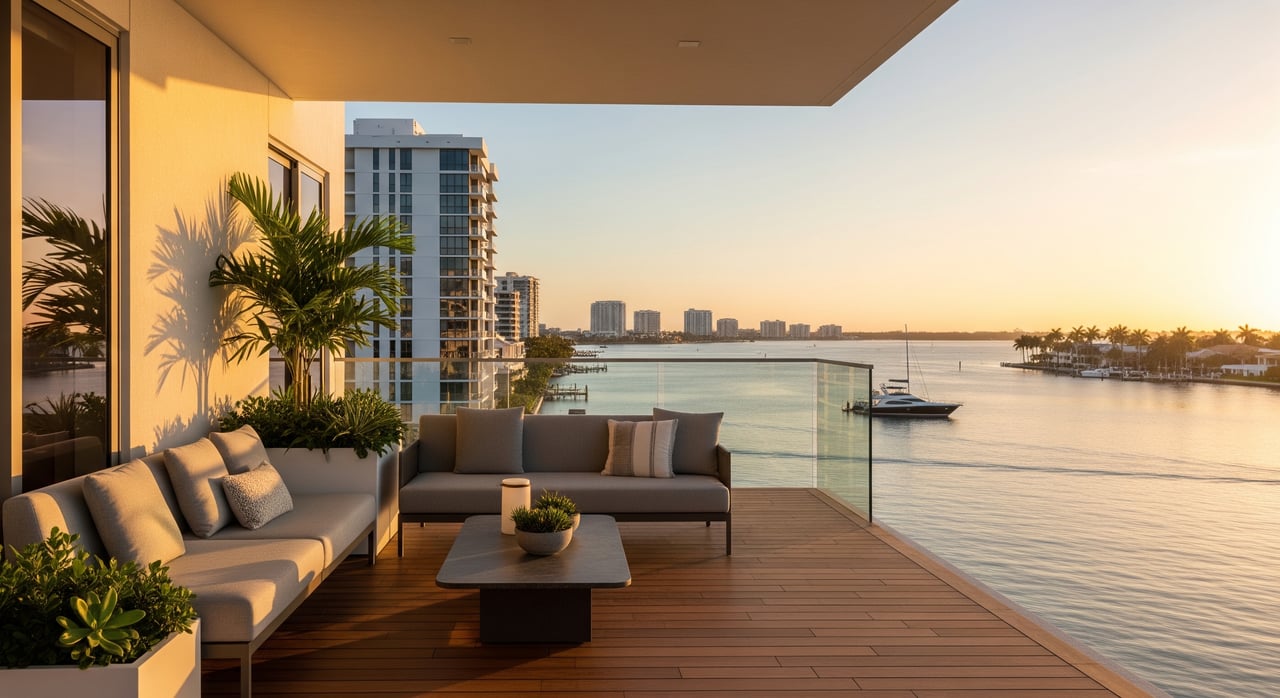
Picture your morning starting with quiet bay views, a short stroll for coffee, and an easy walk to dinner and a show. If you want a low-maintenance home base with water at your doorstep and culture all around you, downtown Sarasota’s waterfront condos in 34236 may fit your lifestyle. In this guide, you will learn what daily life looks like, how boating access works, what amenities to expect, and what to consider about insurance, HOAs, and rentals. Let’s dive in.
Downtown Sarasota at a glance
Downtown Sarasota sits along Sarasota Bay with a compact, walkable core. Restaurants, theaters, parks, and the marina cluster around Main Street and the bayfront. Many addresses place you close to everyday errands and evening plans. Larger supermarkets and suburban services are a quick drive away when needed.
Walkability and getting around
Sidewalks, crosswalks, and clustered destinations make short trips on foot easy. You will find public street parking, municipal garages, and assigned spaces in many condo buildings. Sarasota County Area Transit serves downtown with fixed routes, and rideshare options are common. For trips beyond downtown, you will drive to I-75 and Sarasota-Bradenton International Airport.
Waterfront and boating access
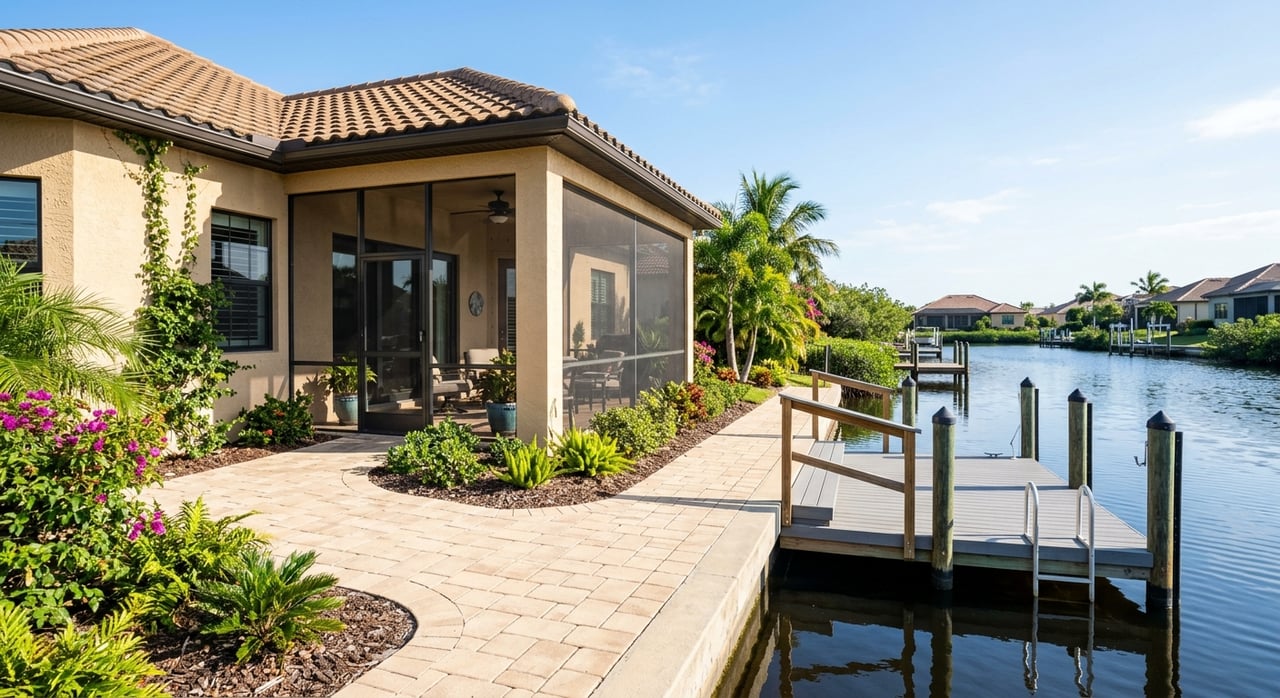
Not all waterfront condos are the same. Some offer direct frontage with seawalls and private or deeded slips. Others sit on inner basins that connect by channel to Sarasota Bay, while some provide sweeping water views without docks. The downtown marina offers public and private slips, transient docking, and charters, so you can keep a boat nearby even if your building does not include slips.
What boaters should know
Slip availability and assignment vary by building. Some have waitlists or separate marina agreements. Draft limits and shoaling can affect vessel size in certain basins, so check charts and talk with local operators. Budget for dock upkeep, seawall care, and storm planning as part of your waterfront routine.
Condo styles and amenities
You can choose from full-service towers, boutique mid-rises, or low-rise properties with a more intimate feel. Luxury buildings often include 24/7 concierge or doorman service, secured entry, and on-site management. Common perks include fitness centers, resort-style pools, spa or sauna rooms, club lounges, business centers, guest suites, and private storage. Select buildings offer boat slips, valet, and temperature-controlled garages.
Inside the residences
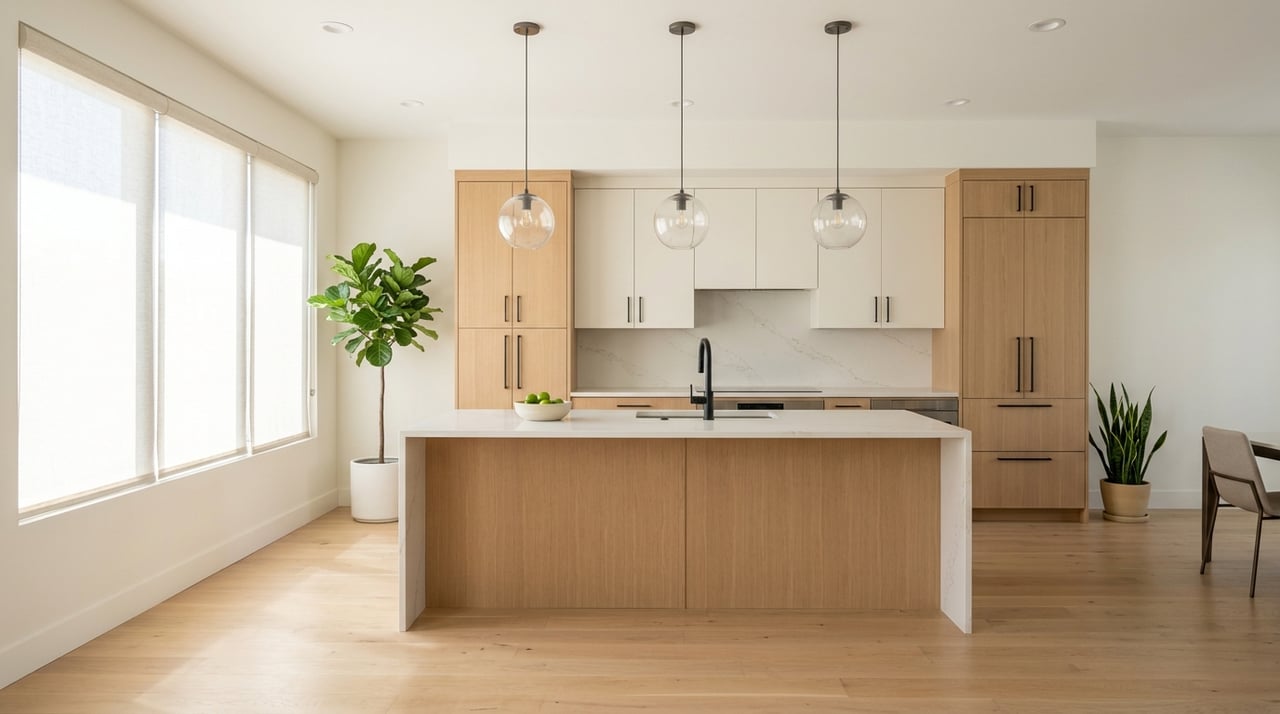
Floor plans typically range from one to three bedrooms with open living, large windows, and generous terraces. High-end finishes often include gourmet kitchens, premium appliances, and hardwood or tile floors. Penthouses may add higher ceilings, panoramic views, and private outdoor spaces. Newer towers and updated mid-century buildings give you a range of styles and budgets.
A day in the life
Start with sunrise over the bay and a walk to a favorite cafe. Midday can mean a gym session in your building, a lap swim, or a quick bike ride along the waterfront promenade. If you own a boat or keep one at the marina, plan a bay cruise or fishing morning and be back in time for an early dinner. Evenings often end with a concert or show and an easy walk home under the lights of the marina.
Dining, arts, and recreation
Downtown’s dining scene offers seafood, upscale restaurants, casual bistros, coffee shops, and bars within a compact core. Cultural life is active, with museums, opera, ballet, theaters, and seasonal festivals close by. Outdoor time is built in, with bayfront parks and promenades for jogging or strolling. Beaches and barrier islands like Lido Key and Siesta Key are a short drive for beach days, paddleboarding, or kayaking.
Noise, privacy, and parking
Downtown living comes with energy and activity. Marina-front units may experience more foot traffic and event noise, while higher floors often feel quieter. Guest parking typically relies on municipal garages or metered spots. If privacy is a priority, pay close attention to floor level, exposure, and building policies on access and security.
Insurance and flood resilience
Many downtown waterfront parcels lie in FEMA-designated flood zones. Lenders and insurers often require flood coverage, and premiums vary by building elevation and mitigation features. Look for impact-rated windows, recent seawall work, elevated mechanical systems, and documented emergency plans. Wind and hurricane exposure can also affect coverage and costs, so ask for current policy details and estimated premiums during due diligence.
HOA fees, rules, and rentals
Condo HOAs usually cover master building insurance, common-area maintenance, landscaping, security, and reserves. Monthly fees can vary widely by building age, size, and service level, especially when marina operations or enhanced staffing are included. Rental rules are building-specific. Some allow seasonal leases, while others require longer minimum stays. Review condo documents for rental durations, guest policies, and boat-slip rules before you commit.
Maintenance and special assessments
Waterfront buildings face salt, sun, and wind that increase upkeep needs. Review reserve studies, recent capital projects, and upcoming work for windows, facade, elevators, docks, and seawalls. Older buildings that are updating envelopes or amenities may use special assessments. A clear picture of past and planned work helps you plan long term.
Buying smart: due diligence checklist
Use this quick list to focus your research:
- Review HOA documents: bylaws, CC&Rs, budget, reserves study, recent meeting minutes, insurance, rental and boat-slip policies.
- Confirm the flood zone for the specific unit and request insurance estimates.
- Ask for building maintenance records, recent capital improvements, and any pending assessments.
- Verify slip rights and marina agreements: deeded, assigned, or rental.
- Visit at different times and seasons to hear and see real activity levels.
- Confirm your parking allocation, guest parking options, and any valet or garage rules.
Who 34236 fits best
If you want a walkable, service-rich home base with the bay as your backdrop, downtown Sarasota offers a compelling lifestyle. You can balance privacy at home with quick access to dining, arts, and outdoor time. Boaters, culture lovers, and seasonal residents often find the mix of convenience and amenities ideal. Year-round residents also enjoy the low-maintenance living and consistent access to downtown’s daily rhythm.
Next steps
If living bayside with services, culture, and convenience sounds right, your next step is a focused tour of the buildings that match your goals. A guided search can help you compare amenity levels, slip options, HOA rules, and resiliency features before you make a decision. For curated options and a smooth, concierge experience, connect with Jane Ebury Sinclair.
FAQs
What is daily life like in downtown Sarasota waterfront condos?
- Expect walkable access to dining, arts, and bayfront parks, with many buildings offering on-site amenities like gyms, pools, and concierge services.
How common are boat slips at downtown Sarasota condos?
- Slip access varies by building. Some offer deeded or assigned slips, while others rely on nearby marina rentals. Always verify availability and policies.
Are downtown Sarasota waterfront condos in flood zones?
- Many parcels are in FEMA flood zones. Lenders often require flood insurance, and costs depend on elevation and mitigation features in each building.
Can I rent my downtown Sarasota condo seasonally?
- Rental rules are building-specific. Some allow seasonal rentals with minimum durations, while others limit short stays. Review HOA documents before buying.
What amenities can I expect in luxury waterfront buildings?
- Common amenities include 24/7 concierge or doorman, secured lobby entry, fitness centers, resort-style pools, club rooms, guest suites, and temperature-controlled garages.
How does noise and crowding compare to non-downtown areas?
- Downtown has more activity from events and nightlife, especially near the marina. Higher floors and thoughtful exposure choices can reduce noise.