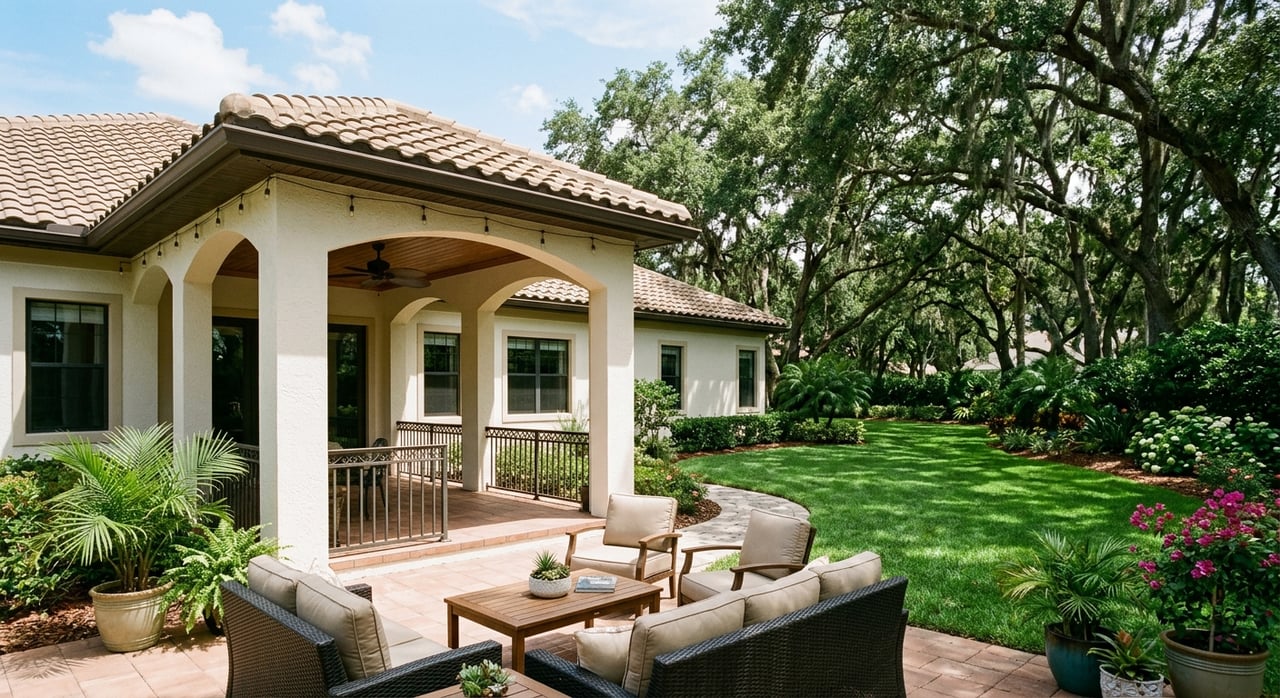
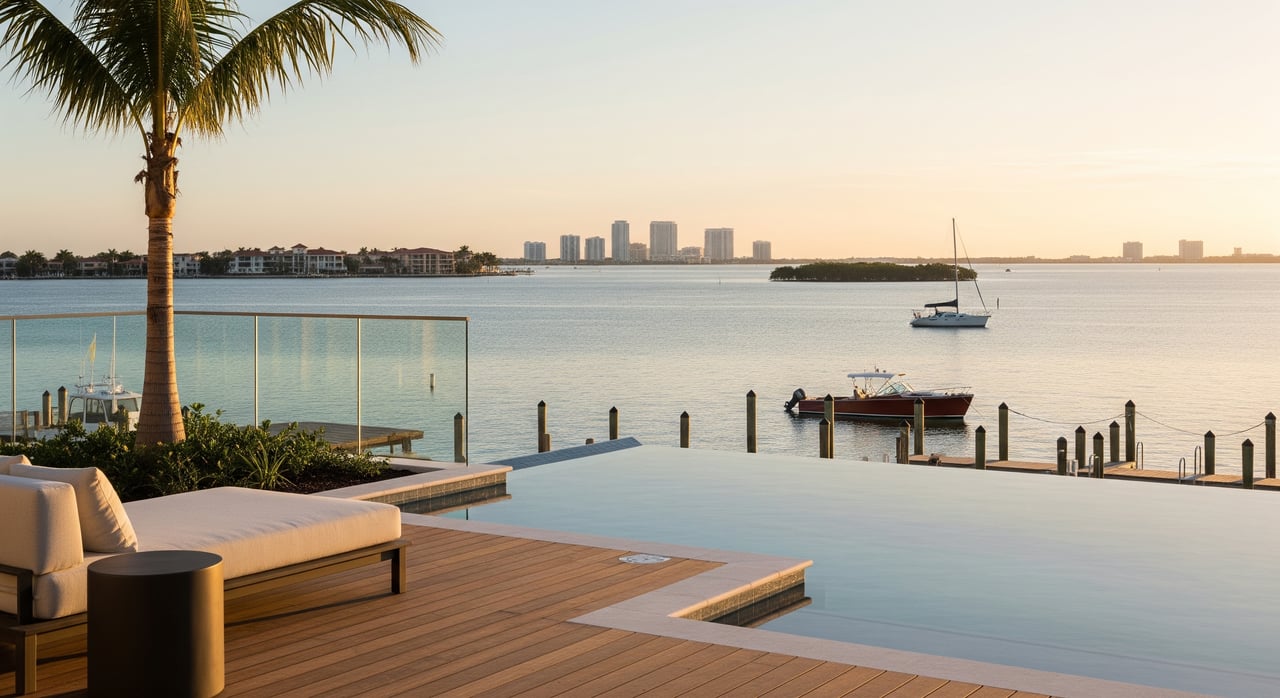
Wondering if your best Sarasota life looks like morning walks to coffee and galleries or sandy feet after sunset on the Gulf? You’re not alone. Choosing between downtown Sarasota’s 34236 core and nearby island living is all about matching daily habits to the right setting. In this guide, you’ll get a clear side‑by‑side look at lifestyle, access, costs, and due diligence so you can choose with confidence. Let’s dive in.
Downtown vs islands at a glance
Downtown lifestyle and walkability
If you value walking to dinner, the theater, or a Saturday gallery stroll, downtown 34236 fits the bill. You’ll find a tight grid of restaurants, cafes, shops, arts venues, and services. Main Street, Palm Avenue, and the bayfront are built for short trips on foot. There is nightlife and a full cultural calendar, so the area feels active year‑round, with quieter residential pockets a few blocks off the main corridors.
Island lifestyle and beach access
On the islands, your day revolves around the water. Siesta Key, Lido Key, St. Armands/Bird Key, and Longboat Key offer immediate beach access, water sports, and a resort‑style pace. Each island has a walkable hub, like Siesta Village or St. Armands Circle, but most residential areas are lower density and more car‑dependent. Evenings tend to be quieter outside of peak tourist season, and many homes sit near canals or open water for boating.
Recreation and the outdoors
Beaches vs bayfront parks
If you plan to hit the beach several times a week, island living makes it effortless. Public beaches like Siesta Key Beach and Lido Beach are major draws, and many neighborhoods offer docks or deeper water access. Downtown puts you by bayfront parks and promenades with wide water views and easy morning jogs. Gulf beaches are a short drive away, often 10 to 25 minutes depending on your island of choice and the season.
Noise, crowds, and seasonality
Downtown stays lively throughout the year, with peaks during festivals and arts events. You’ll find more street energy near dining and entertainment blocks. The islands have their own seasonality. Winter and peak travel periods bring heavier beach traffic and full parking lots around village centers. Off‑season, islands often feel more residential and relaxed.
Housing types and what to expect
Downtown condos and urban homes
Downtown 34236 offers a mix of mid‑ and high‑rise condos, some with luxury amenities like pools and security. You’ll also find historic cottages, townhomes, and bayfront towers. Many buyers choose the condo lifestyle for lower exterior maintenance and lock‑and‑leave convenience. Smaller units and seasonal residences are common among professionals, single buyers, and downsizers.
Islands: single‑family, condos, and waterfront
On the islands, you’ll see beachfront estates, classic cottages, low‑rise condo communities, and newer luxury rebuilds. Waterfront parcels with private docks are more prevalent, though availability and water depth vary by island and street. Island pricing often reflects proximity to the Gulf or open water. Many communities include HOA fees for common amenities, and some maintain seawalls, docks, or beachfront areas.
Cost, insurance, and maintenance
Purchase price and monthly costs
Island properties typically command a premium for direct waterfront or Gulf‑front locations. Downtown condos in signature towers can also be expensive per square foot, though there is a wider range of smaller, more attainable units. HOA fees are common in both settings. On the islands, expect operating costs to reflect coastal exposure, with more frequent exterior maintenance.
Flood zones, wind coverage, and resilience
Flood risk varies by property. Barrier islands include larger areas in FEMA coastal high‑hazard and flood zones, which can affect flood insurance and total monthly costs. Wind and hurricane coverage is a key line item for both settings. Newer construction follows Florida’s hurricane‑resistant building codes, while older structures may need retrofits to meet insurance or lending requirements. Always verify a property’s flood zone, elevation, and any history of water intrusion before you commit.
Transportation and access
Bridges and seasonal traffic
The islands connect to the mainland by bridges and causeways. These pinch points can back up during rush hours and peak tourist seasons. If you commute daily to downtown offices or medical centers, living in 34236 can save you time and hassle. If you work north or south of the city, factor in added bridge time from the islands and test your drive at peak hours.
Car‑free days vs car dependence
Downtown makes it easy to leave the car in the garage. Public parking garages and street parking exist, though they can be tight during busy evenings. On the islands, most errands and services will require a car, and public beach parking fills quickly on high‑demand days. Some island neighborhoods use residential or permit parking systems near popular beaches.
Airport and regional travel
Sarasota‑Bradenton International Airport serves the region. From downtown, access is straightforward. From the islands, travel time varies with bridge traffic and route choice. If you fly frequently, weigh proximity and congestion patterns during your typical departure windows.
Rental potential and rules
Seasonal vs short‑term demand
Islands such as Siesta Key have active vacation rental demand with higher nightly rates in season. Downtown condos can attract seasonal snowbird stays or corporate short‑term renters. Rental potential depends on location, building or neighborhood rules, and local regulations. Many HOAs set minimum lease terms or restrict the number of rentals each year.
What to verify before you buy
Confirm current short‑term rental rules with the appropriate jurisdiction, then read HOA documents closely. Some communities prohibit short stays or limit occupancy. Registering rentals and paying local taxes may be required. A clear understanding of these items will protect your investment and prevent surprises.
Decision framework: which setting fits you
Choose downtown if you:
- Want to walk to dining, arts, and everyday errands most days.
- Prefer condo living with amenities and lower exterior maintenance.
- Need quick access to medical centers, offices, and public services.
- Enjoy an active cultural calendar and the option for car‑light living.
Choose the islands if you:
- Plan to use the beach or boat several times each week.
- Value privacy, lower residential density, and a resort‑style pace.
- Accept higher insurance and maintenance for coastal exposure.
- Seek a second home with potential vacation rental income, subject to rules.
How to test your choice in real life
A simple field checklist
- Visit both downtown and your target island on weekday and weekend days, plus a peak season date if possible.
- Drive your typical commute at morning and evening rush. Time the bridges.
- Park at a popular beach lot at peak time. Gauge parking, crowds, and access.
- Pull FEMA flood maps and county storm surge data for sample properties.
- Get two independent quotes for flood and wind insurance based on homes you like.
- Request recent HOA minutes, budgets, reserve studies, and rental policies.
- If waterfront, inspect docks and seawalls and ask about age, materials, and repair history.
- Confirm utilities such as sewer vs septic and any upcoming assessments or projects.
- Review sales comps for the exact micro‑location and property type.
- If schools matter, confirm assignments with the district rather than relying on third‑party sites.
Practical notes on risk and regulations
Flood zones and elevation
Always verify a property’s FEMA flood zone and base flood elevation. Elevation, distance from the Gulf or bay, and local drainage all influence risk and insurance pricing. Islands include larger higher‑risk designations, so plan for that in your budget.
Permits, docks, and seawalls
Shoreline work such as seawall or dock construction requires permits. Replacement or repair can be costly and may follow specific timelines. If you are targeting a boating lifestyle, evaluate water depth, bridge clearances to open water, and the condition of marine structures during inspections.
HOAs, covenants, and local ordinances
Before you fall in love with a view, read the rules. HOA covenants can affect rentals, renovations, exterior finishes, and even parking. Local ordinances may set registration steps for rentals and outline permit needs for improvements. Clear documents and healthy reserves can add confidence, especially in condo communities.
Putting it all together
If you crave walkable days, an easy commute, and a front‑row seat to arts and dining, downtown 34236 is hard to beat. If your perfect morning starts with sand underfoot and afternoons on the water, an island address will likely feel like home. Many buyers explore both, then choose based on daily habits, risk tolerance, and the true cost of ownership after insurance and HOA details are known.
When you are ready to compare specific buildings, streets, and micro‑markets, connect with a local advisor who knows both sides of the bridge. For tailored guidance and private touring options, reach out to Jane Ebury Sinclair. Let’s align your lifestyle with the right Sarasota home.
FAQs
What are the main differences between downtown Sarasota and the islands?
- Downtown offers walkability, culture, and shorter local commutes, while the islands offer immediate beach and boating access with a quieter, resort‑style pace.
How does flood and wind insurance impact island home budgets?
- Islands include larger higher‑risk flood zones, so flood and wind coverage can be higher; get two quotes for sample homes before finalizing your budget.
Is parking easier downtown or on the islands during peak season?
- Downtown has garages and street options that can fill at prime times, while island beach lots and village areas often reach capacity during peak season.
Are short‑term rentals allowed in Sarasota’s islands and downtown?
- Rules vary by jurisdiction and HOA; confirm local regulations, registration steps, and your community’s lease terms before buying.
How long can island bridge traffic add to a commute?
- Bridge pinch points can slow travel during rush hours and tourist peaks; drive your exact route at peak times to gauge realistic delays.
Which setting is better for a low‑maintenance lifestyle?
- Many downtown condos offer amenities with reduced exterior upkeep, while island homes may require more maintenance due to coastal exposure.